
Most small business owners get to the place at some point. You’re spending money on ads. You’re posting on Instagram every days.. You still can’t tell if any of it is bringing in real customers. Meanwhile the shop down the road paid for one hoarding years ago and still seems to be doing
So is digital marketing worth it when your budget is tight and your team is just you and one assistant? In cases yes.. It depends on how you do it. Many businesses try it and fail and that’s why digital marketing has a bad reputation. Here’s the full story. Including the parts that don’t work well.
Why digital marketing for businesses has a bad reputation
Ask ten business owners and a few will have a horror story. A freelancer who promised 10,000 followers and delivered ones. An agency that sent a report full of impressions and zero sales. A boosted post that cost ₹5,000 and got two likes. From relatives.
These stories are real.. They explain the doubt. But look closer. The problem is almost never the channel. It’s the lack of a goal. When no one decides what a campaign is supposed to produce. Calls, store visits form fills. No one can tell if it worked. Spending without a target is an idea in any medium whether it’s print or online.
What digital marketing costs compared to traditional advertising
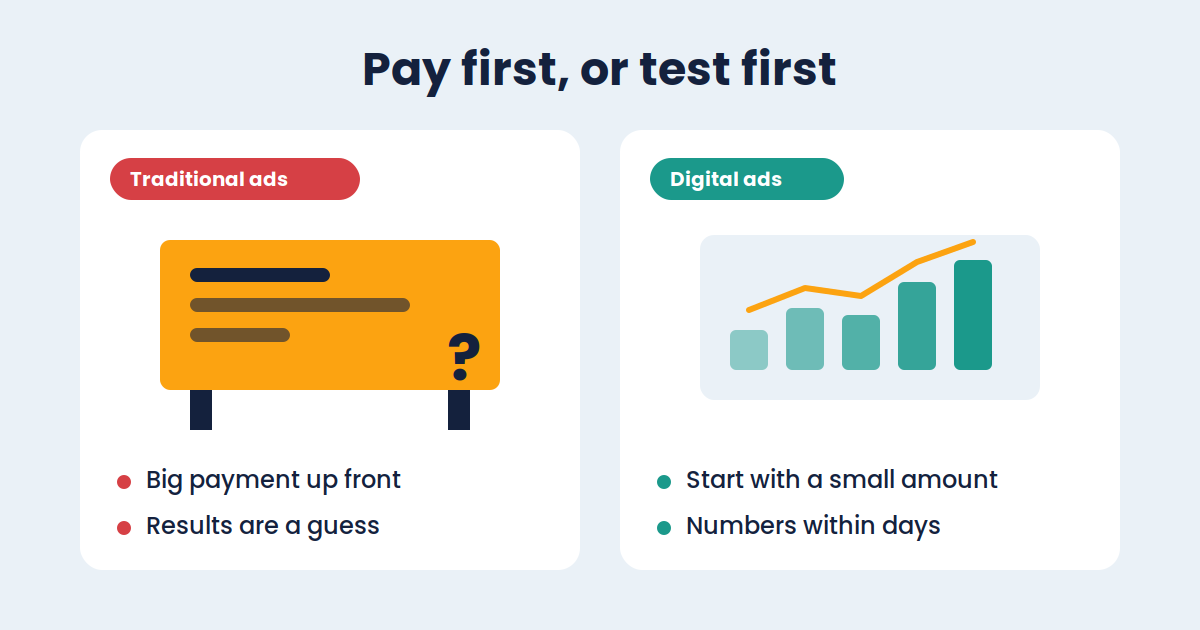
Advertising asks for a big payment up front. A newspaper ad, a hoarding or a radio spot is paid for before you know anything about the result. You can’t see who actually responded.
Digital marketing works differently. You can start with an amount see the numbers within days and change course quickly. If an ad isn’t getting clicks you pause it. If a post gets saved and shared you make more like it. That control matters most to businesses. Because one wasted month hurts more when you don’t have cash to begin with.
It also lets you reach an audience. A tuition centre in a -sized city doesn’t need every person in India to see its ad. It needs parents of Class 11 students within a kilometre. Targeting by location, age and interest makes that possible.
Where digital marketing pays off for small businesses
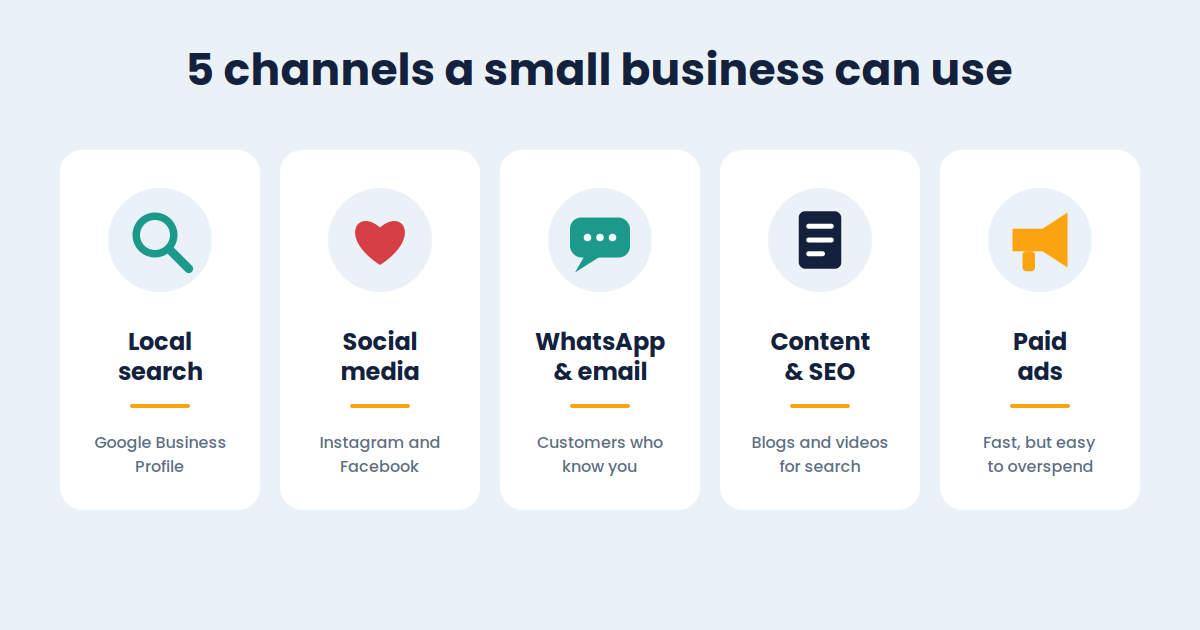
search comes first. When someone types “dentist near me” or “bakery open now” they’re ready to buy. A complete Google Business Profile with hours photos and reviews costs nothing and can bring in more customers than a paid campaign.
Social media is next. Instagram and Facebook work well for businesses that sell something people can see. Clothing, food, jewellery, home décor. They also work for service providers who build trust by explaining things. Accountants, lawyers, fitness trainers. Regular posting makes people familiar with you before they need you.
WhatsApp and email get ignored because they’re not exciting. They reach people who already know you. A short message about an arrival or a seasonal offer to existing customers costs almost nothing and tends to bring repeat sales.
Then there’s content and SEO. Blogs and videos that answer customer questions keep bringing visitors for months after you publish them. It’s slow. It’s the one channel where the effort compounds instead of disappearing when you stop paying.
Paid ads are the option and also the easiest place to waste money. They work best when someone is already searching for what you sell. Like a Google search ad for “wedding photographer”. They work well when you’re trying to convince strangers on social media who weren’t thinking about you. Start with a daily budget run one clear offer and check the enquiries before you spend more.
When digital marketing is not worth it
Some businesses should. It’s better to say so plainly.
Even businesses that are ready tend to make the few mistakes. They try to be on every platform at and end up doing everything half-heartedly. They change strategy every two weeks. They send people to a homepage with no next step so interested visitors leave without calling. Picking two channels and doing them consistently beats being
If your product or service isn’t good yet marketing will only send people to a disappointing experience. If you have no way to handle enquiries. Say nobody answers the phone or replies to DMs. You’ll pay to generate leads. Then lose them.. If you need results next week from a ₹2,000 budget you’ll be disappointed with any channel.
Digital marketing also takes time. Paid ads can bring enquiries within days. Trust, search rankings and a loyal audience take months. Owners who quit after four weeks usually quit right before things would have started working.
How to measure marketing results without a data team
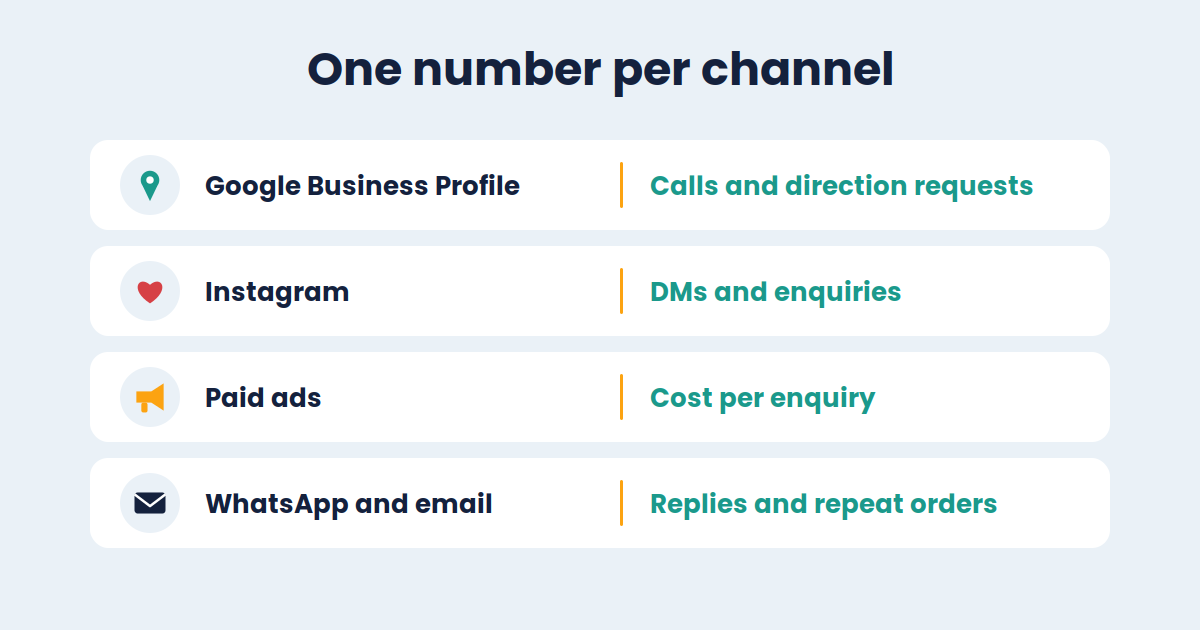
You don’t need complicated dashboards. Pick one number per channel that connects to money. For your Google Business Profile that’s calls and direction requests. For Instagram it’s DMs, enquiries and link clicks. For ads it’s cost per enquiry. For email and WhatsApp it’s replies and repeat orders.
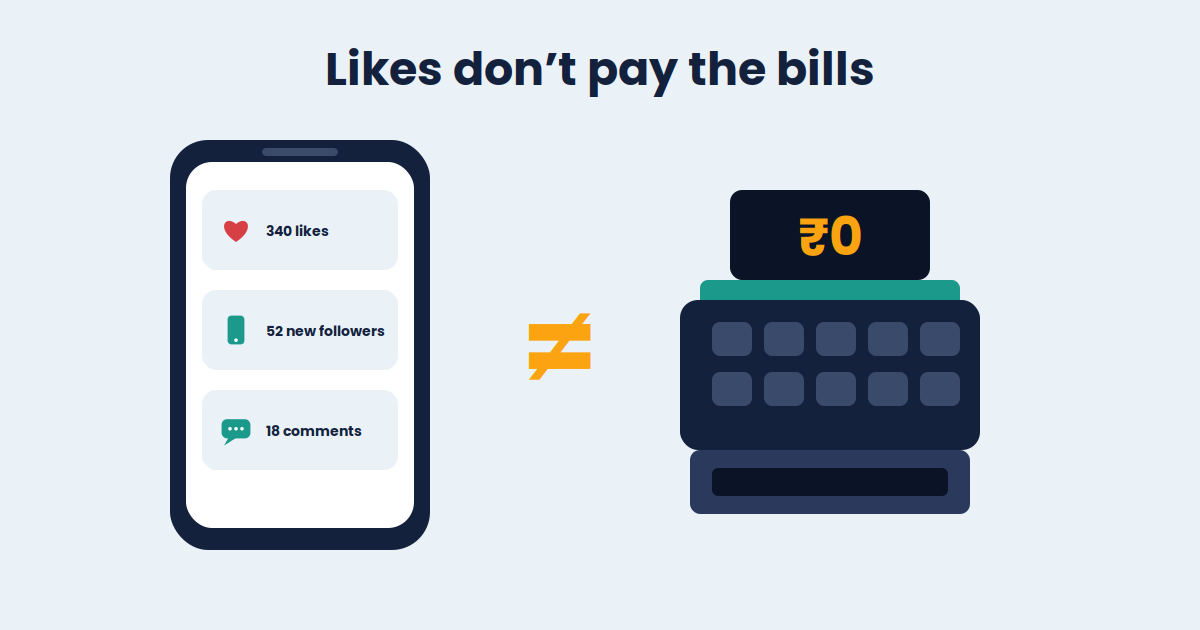
Likes and followers feel good. Pay no bills. Track them if you like. Don’t let them decide your budget. Ask every customer how they found you. A simple question at billing or on the call gives you better data than most reports.
A realistic digital marketing budget for businesses
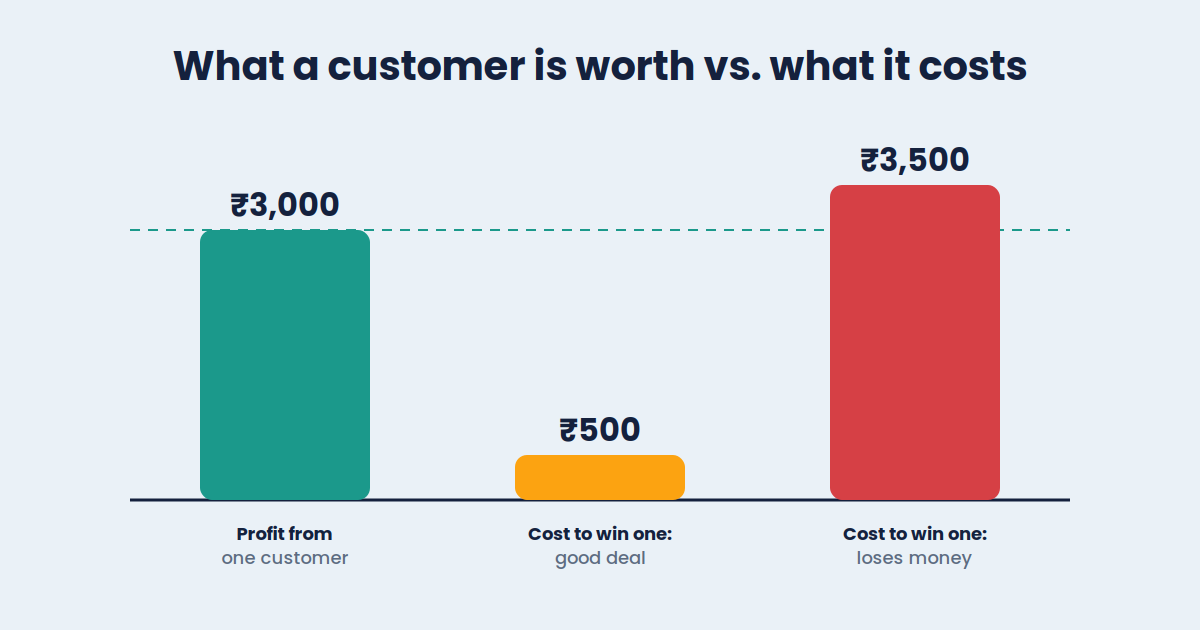
There’s no universal figure and anyone quoting one without knowing your margins is guessing. A useful approach is to start from what an average customer is worth to you. If a new customer brings you ₹3,000 in profit over time spending ₹500 to get one is a deal. Spending ₹3,500 isn’t.
Start small. Put most of the effort into cheap digital marketing channels first: your Google profile, regular posting and messaging past customers. Add an ad budget once you know what a customer enquiry looks like and what you can afford to pay for one. Increase spending on what’s visibly working. Review the numbers once a month not every day because daily swings in ad results are mostly noise.
Should you hire an agency or freelancer. Do it yourself? Doing it yourself works for the few months if you have the time and you’ll learn what your customers respond to. Hiring help makes sense when your time is better spent running the business. Ask any agency how they’ll measure results and what they’d do with a budget. Vague answers are a warning sign.
So is marketing worth it for small businesses?
For small businesses yes digital marketing is worth it. It costs less to start gives you numbers to learn from and reaches people at the moment they’re looking for what you sell. The risk lies in doing it without a goal, a tracking method or enough patience.
Pick one goal choose one or two channels that suit your customers and give it three to six months before judging. If you’d like help setting that up get in touch, with our team. We’ll look at what makes sense for your business.
Pingback: Digital Marketing Strategy: 7 Proven Steps to Win Customers